
















Exhibitions

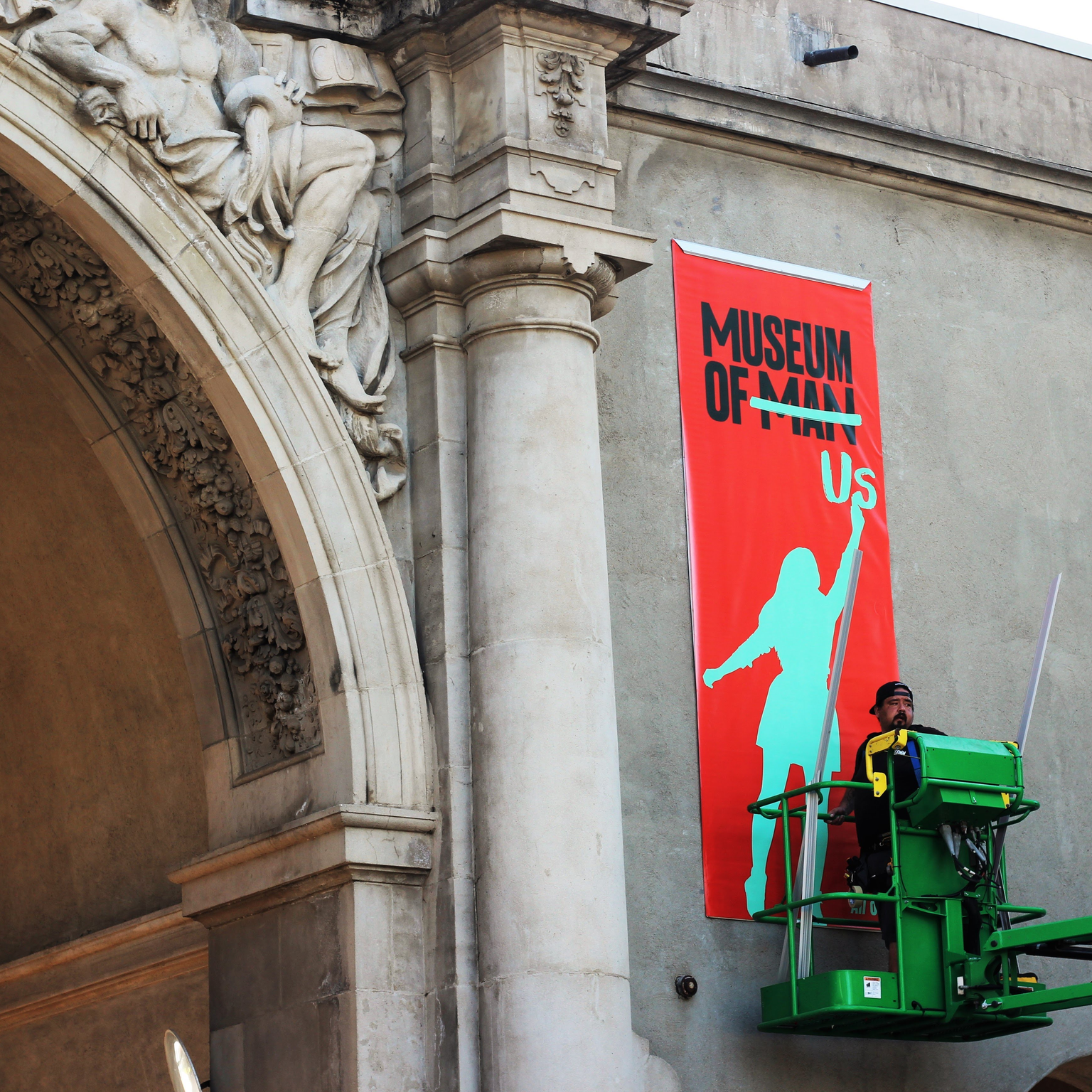
The Exhibitions of the world-renowned Museum of Man are a major resource for the San Diego community. Permanent exhibits explore the Maya, ancient Egypt, the Kumeyaay Indians of San Diego County, Human Evolution, and the Human Life Cycle. These exhibits inform and entertain San Diegans and visitors alike, and are used extensively in the region's school curricula to study ancient history, local history, Indigenous cultures, and health sciences. These permanent exhibits are complemented by a series of changing exhibits on display throughout the Museum.

Special Exhibitions

Adventures in Photography: A Century of Images in Archaeology and Anthropology
November 11, 2011 - January 13, 2013

The words adventure and anthropology conjure up imagery of both the fictional Indiana Jones and real explorers, such as Hiram Bingham, credited with finding Peru’s Machu Picchu, and Howard Carter, who discovered the tomb of Tutankhamen. The history of anthropology is packed with tales of exotic destinations and unprecedented discoveries.

With the opening of Adventures in Photography: A Century of Images in Archaeology and Anthropology, SDMoM aims to showcase some of the untold stories of anthropology. Sixty vintage photographs were chosen from the University of Pennsylvania’s extensive collection, spanning over one hundred years and six continents. This exhibition was organized by the University of Pennsylvania Museum of Archaeology and Anthropology.

Modern Day Mummy: The Art & Science of Mummification
June 11, 2011 - March 4, 2012

Mummy Exhibit Tours: Monday - Saturday, 1:30pm 

Don’t miss your chance to see SDMoM’s “Mumab,” on display until the exhibition Modern Day Mummy: The Art & Science of Mummification closes March 4, 2012. During its run, the exhibition has thrilled visitors with a close-up view of the preserved remains of a Baltimore man whom scientists mummified using Ancient Egyptian techniques after he died in the 1990s. Visitors also have enjoyed presentations by mummy specialists, esteemed local radiologists, leading researchers on the socio-political themes around the ritual processes of death, and an archaeologist–Hollywood consultant versed in Egypt-inspired themes in film and the mummy genre.

Strange Bones: Curiosities of the Human Skeleton
August 20, 2010 - March 4, 2012

The human skeleton is an adaptable and remarkable structure that sustains us everyday. Without it, we cannot survive. Our bones are our foundation; they create blood cells, allow our bodies to move, and store nutrients and minerals. They are also susceptible to disease, adapt remarkably well to forced cultural modifications, and manifest unusual, but naturally occurring, abnormalities. The unique role of bones in the body can inform scientists about a person’s life long after that individual passes away.


Permanent Exhibitions

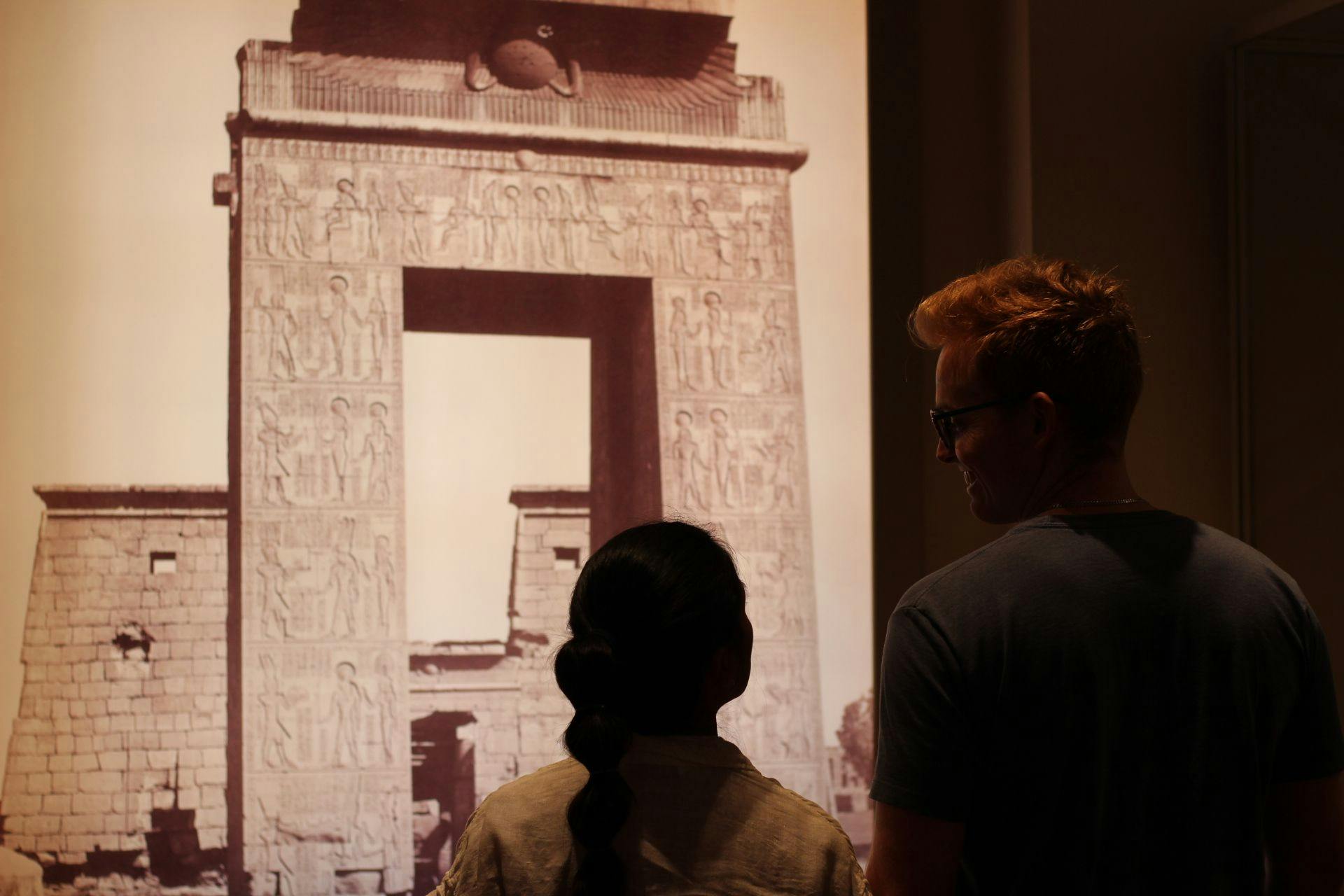
Ancient Egypt

The culture of ancient Egypt holds a universal appeal and fascination for adults and children alike. The Museum of Man is fortunate to have one of the most important ancient Egyptian collections in the United States.

Children's Discovery Center

The Children's Discovery Center (CDC) exhibit, Discover Egypt, gives Discovery Center visitors an opportunity for interactive, sensory learning about ancient Egyptian civilization, and about the role of anthropologists and archaeologists in the research and interpretation of the culture.

Footsteps Through Time

The Museum's West Wing houses our fabulous anthropology exhibit, Footsteps Through Time: Four Million Years of Human Evolution. The permanent exhibit—covering 7,000 square feet and featuring five galleries and more than a hundred touchable replicas of early humans

Kumeyaay: Native Californians

The Kumeyaay, or Diegueño (as they were later called by the Spanish), are the Native American people of present-day Southern California (San Diego and western Imperial Counties) and Northern Baja. For many generations before the arrival of the Spanish, they occupied the deserts, mountains, and coasts, developing sophisticated means of adapting to the diverse environments.

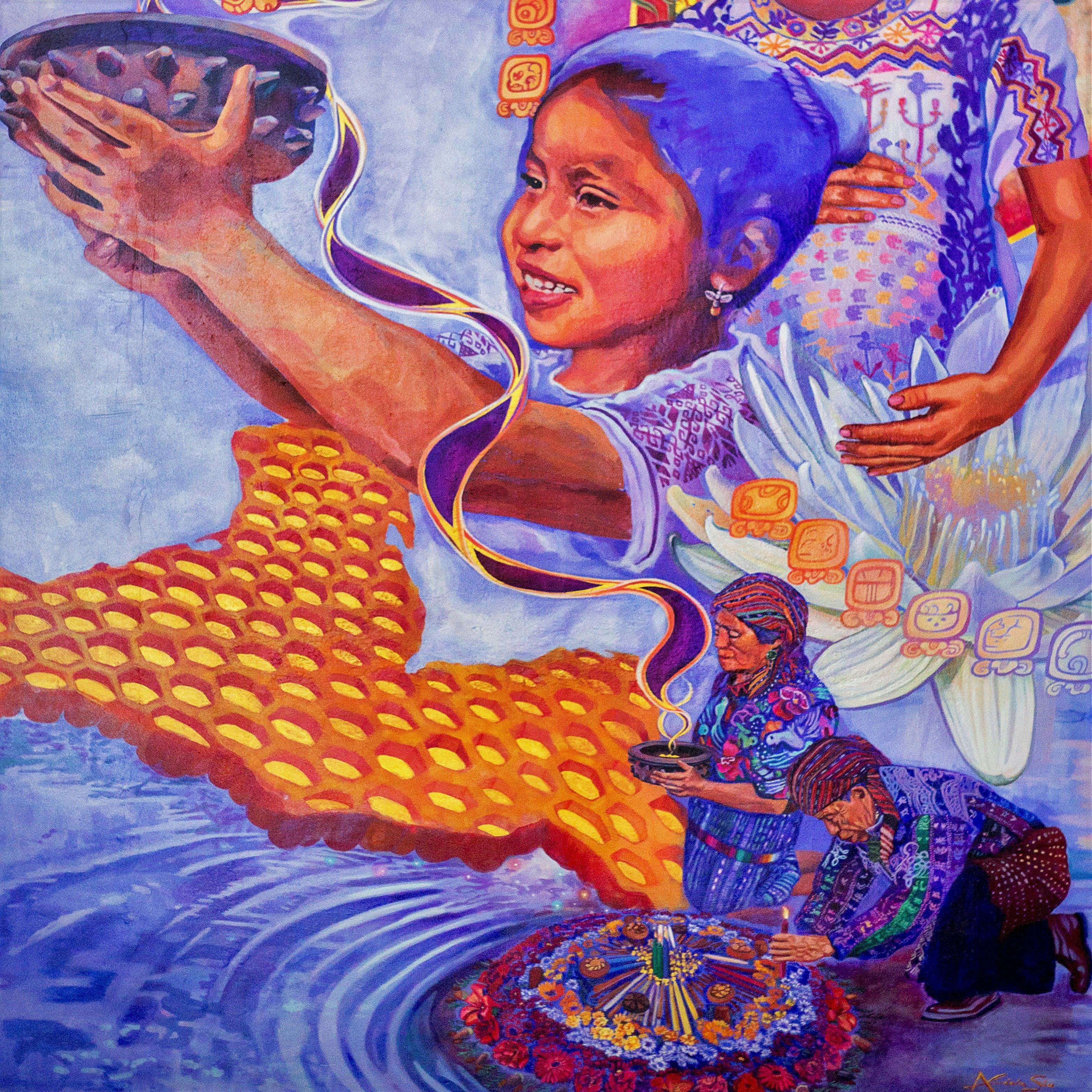
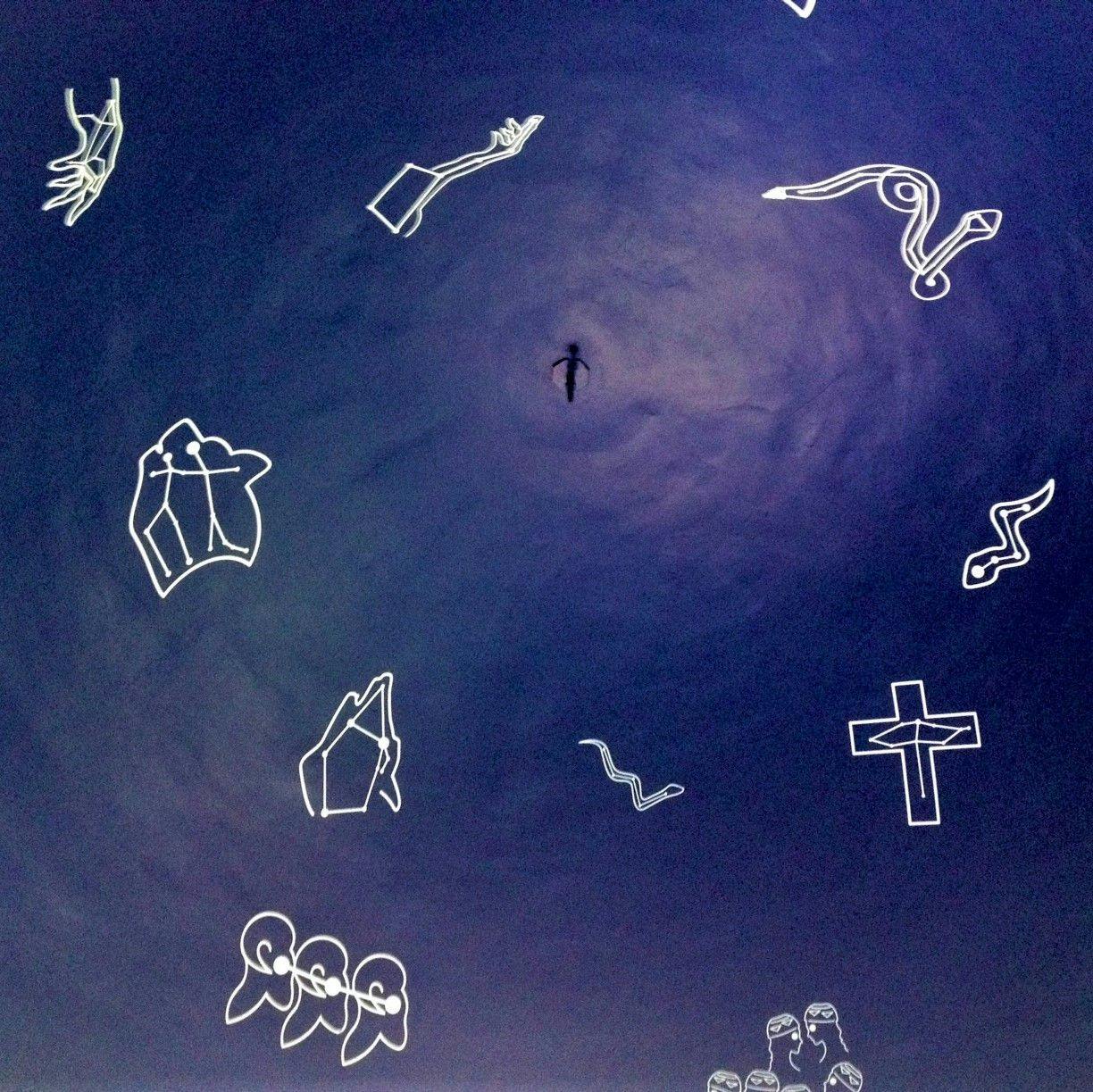
Maya: Heart of Sky, Heart of Earth

The ancient Maya tamed time. They could reckon dates far into the past and into the future by using cycles of the moon, the sun, and the planet Venus.